

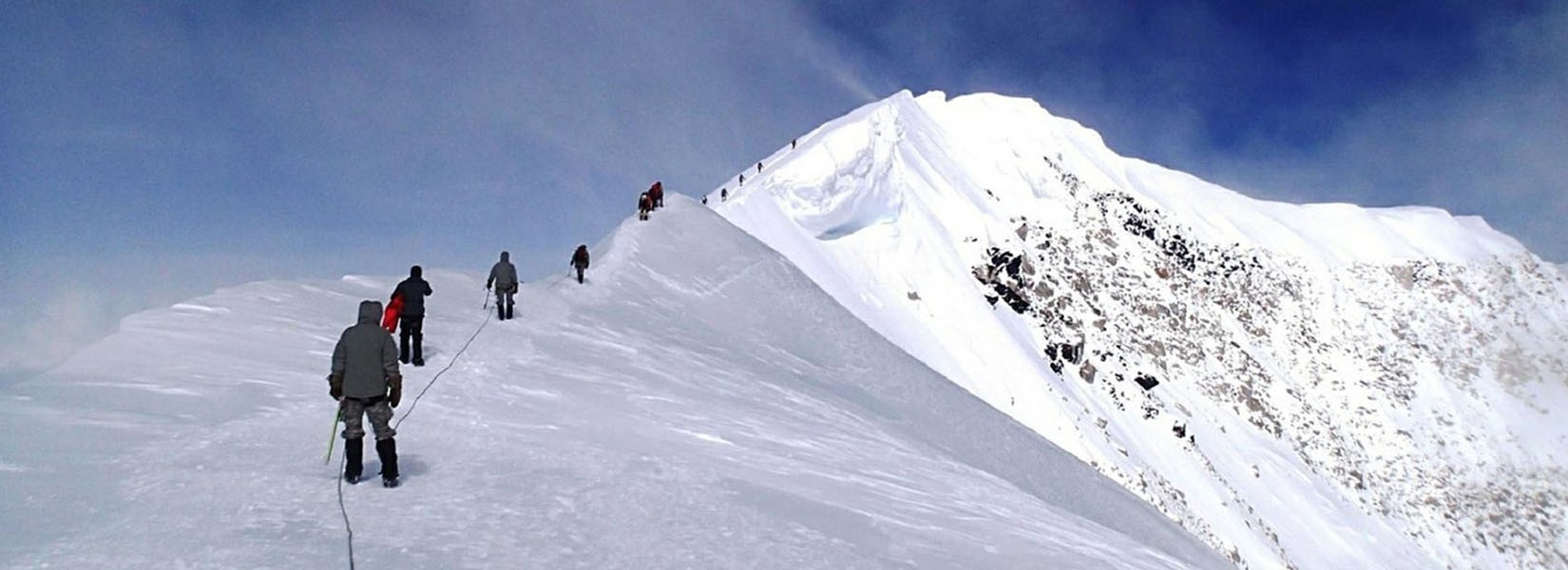
For decades, the story of Himalayan mountaineering has been dominated by one name: Everest. But a groundbreaking new initiative from the Nepalese government is set to rewrite that narrative, opening up a world of pristine, uncharted, and thrilling climbing opportunities for adventurers of all stripes.
In a bold move to boost tourism and spread its economic benefits, Nepal has announced it will waive climbing permit fees for 97 Himalayan peaks for the next two years. This is a monumental shift, offering a unique chance to explore the raw, untouched beauty of the Himalayas while the iconic Everest becomes more expensive and regulated than ever.
This guide will dive deep into everything you need to know about this initiative: the peaks involved, the reasons behind it, the practicalities of planning a trip, and how this could be the most rewarding climbing decision you’ll ever make.
Why is Nepal Making 97 Peaks Free to Climb?
At first glance, waiving a significant source of revenue seems counterintuitive. But this strategy is a clever and compassionate one, aimed at solving several pressing issues.
1. Decongesting Everest and Promoting Sustainable Tourism
The world’s highest mountain has been suffering from its own popularity. Overcrowding, long queues at the death zone, environmental degradation, and a series of tragic accidents have painted a worrying picture. In response, Nepal’s Supreme Court recently ordered the government to limit permits on Everest and other major peaks, acknowledging that the mountains’ carrying capacity “must be respected.”
By making 97 other peaks free, Nepal is actively encouraging climbers to consider alternative, equally magnificent objectives. This helps preserve Everest for those truly dedicated to its summit while protecting the safety of all climbers and Sherpa guides.
2. Economic Development in Remote Regions
The free-to-climb peaks are located exclusively in Nepal’s Karnali and Sudurpaschim provinces. These far-western regions are among the country’s poorest and least developed, despite being home to staggering natural beauty.
As Himal Gautam, director of Nepal’s Tourism Department, stated: “Despite their breathtaking beauty, the number of tourists and mountaineers here is very low as access is so difficult. We hope the new provision will help… They can create jobs, generate income, and strengthen the local economy.”
This initiative is a direct investment in these communities. It aims to create jobs for local guides, porters, lodge owners, and transportation services, ensuring the financial benefits of tourism are felt beyond the well-trodden path to Everest.
3. Highlighting Nepal’s “Unexplored Tourism Products”
Nepal wants to be known for more than just Everest. This initiative is a powerful marketing tool to showcase the country’s diverse array of “unexplored tourism products and destinations.” It’s an invitation to discover the real Nepal—a land of countless hidden valleys, authentic cultures, and uncharted summits.
The Contradiction: Everest Gets More Expensive
As these 97 peaks become free, Nepal is simultaneously increasing the cost of climbing Everest—the first such increase in nearly a decade.
New Mount Everest Permit Fees (Effective September 2024):
- Spring Season (April-May): $15,000 (up from $11,000)
- Autumn Season (September-November): $7,500
- Winter Season (December-February): $3,750
This stark contrast highlights the government’s two-pronged approach: make premium, high-demand experiences more exclusive and sustainable, while making unexplored adventures incredibly accessible.
Where Are These Free Peaks and What Are They Like?
This isn’t about small hills; these are serious, awe-inspiring mountains.
- Location: All 97 peaks are located in the Karnali and Sudurpaschim provinces in far-western Nepal.
- Altitude Range: They stand between 5,970m (19,590 ft) and 7,132m (23,400 ft) high. This means they offer a fantastic challenge for experienced climbers and a formidable goal for those looking to step up from trekking peaks.
- Character: These peaks are remote, technical in many cases, and see very few ascents. You are likely to have the entire mountain to yourself, a stark contrast to the traffic jams on Everest. The regions are characterized by their rugged terrain, deep gorges, and ancient cultures that have seen little outside influence.
A Sample of Peaks Now Free to Climb (and their normal fees):
| Peak Name | Height (meters) | Height (feet) | Normal Permit Fee (USD) |
|---|---|---|---|
| Mount Api | 7,132m | 23,399ft | $1,800 |
| Mount Saipal | 7,031m | 23,068ft | $1,800 |
| Mount Kanti | 6,859m | 22,503ft | $1,400 |
| Mount Jagdula | 6,220m | 20,407ft | $800 |
| Mount Kanda | 6,255m | 20,522ft | $800 |
Who is This For? Is This Climb Right For You?
The free peak initiative is a golden opportunity, but it’s not for absolute beginners. Here’s who stands to benefit the most:
- Experienced Climbers Seeking New Challenges: If you’ve summited peaks in the 6,000m-7,000m range and are looking for untouched routes and pristine environments, this is your call.
- Aspiring Everest Climbers: This is perhaps the biggest benefit. Nepal’s parliament is debating a new law that would require anyone wanting to scale Everest to have first summited a Nepalese mountain over 7,000m. As The Kathmandu Post noted, these peaks in Karnali and Sudurpaschim are “ideal training grounds” to gain the necessary high-altitude experience in a less crowded, more demanding environment—all for the cost of your expedition, minus the permit.
- Adventure Trekkers Looking to Step Up: If you’re an avid trekker who has completed circuits like the Annapurna Circuit or Everest Base Camp and want to use your fitness and acclimatization to actually stand on a summit, a lower-grade peak in the 6,000m range could be a perfect goal.
- Budget-Conscious Mountaineers: Saving thousands of dollars on permits can make the difference between dreaming of a Himalayan expedition and actually making it happen. That money can be better spent on a highly experienced guide, better equipment, or a longer trip.
Practical Guide: How to Plan Your Expedition to a Free Peak
A free permit doesn’t mean a free or easy trip. The logistics of climbing in these remote regions are complex.
What’s Still Required?
- Climbing Permit: While the fee is waived, you still need to obtain the permit itself through a registered trekking agency in Nepal. This is a non-negotiable legal requirement.
- Trekking Agency: You must book your expedition through a Nepalese licensed trekking agency. They will handle your permits, logistics, guides, porters, and insurance. This is not a DIY adventure. [We have a guide on how to choose a reputable agency here].
- Experienced Guide: The technical and remote nature of these peaks makes a knowledgeable, local guide essential for safety and route-finding.
- Logistics: This includes flights to remote airports like Nepalgunj or Simikot, hiring porters and pack animals, arranging food and supplies, and securing accommodation. Your agency will handle this.
- Travel Insurance: Robust insurance that covers emergency high-altitude helicopter rescue is absolutely mandatory. There are no roads here; evacuation is complex and expensive.
Estimated Costs (Excluding Permit Fee)
While you save on the permit, expect to pay for a full expedition. A rough estimate for a 3-4 week expedition could range from $8,000 to $15,000+ per person, depending on the peak, group size, and level of service. This covers:
- Agency fee (guide, logistics, government liaison officer)
- Domestic flights and ground transport
- Food and accommodation during the trek
- Porter and staff wages
- Equipment rental
- Insurance
Challenges and Considerations: The Other Side of the Coin
This initiative is not without its potential pitfalls, and it’s important to be aware of them.
- Lack of Infrastructure: The government has not yet announced concrete plans to improve infrastructure. Access is difficult, with limited roads and airports. Teahouses are basic or non-existent, meaning most expeditions will be fully camping-based.
- Community Preparedness: A sudden influx of climbers could strain remote villages with limited resources. It’s crucial to choose an agency that practices ethical and sustainable tourism, ensuring porters are treated fairly and local communities are respected and benefited.
- Safety and Rescue: With fewer climbers, rescue services are not as established as on popular peaks. Your safety net is your experienced guide and your insurance. Self-reliance and competence are key.
- Environmental Impact: An increase in visitors risks litter and environmental damage. The principle of “Leave No Trace” is paramount. Pack out everything you pack in.
Frequently Asked Questions (FAQ)
Q1: Are the peaks really free forever?
A: No. The fee waiver is a temporary initiative set for the next two climbing seasons (likely through 2025 and 2026). The goal is to stimulate interest in these regions.
Q2: As a beginner, can I climb one of these free peaks?
A: It is not recommended. These are remote and technically challenging mountains. You need significant high-altitude trekking and basic mountaineering experience (e.g., using crampons, ice axe, ropes) before attempting them.
Q3: Do I still need a TIMS card and park entry permits?
A: Yes. The free waiver applies only to the climbing permit issued by the Nepal Mountaineering Association (NMA) or Department of Tourism. You still need to pay for entry into the national parks or conservation areas that these peaks are located in, as well as a Trekkers’ Information Management System (TIMS) card.
Q4: How do I find a reliable guide or agency for such a remote trip?
A: Look for agencies with proven experience in organizing expeditions to remote regions, not just Everest or the Annapurna Circuit. Ask for client references and verify their licenses. [Check out our article on questions to ask your potential guide company].
Q5: What is the best time of year to climb these peaks?
A: The primary climbing seasons in Nepal are Spring (April-May) and Autumn (late September-November). These windows offer the most stable weather conditions.
Q6: Is special equipment required?
A: Absolutely. You will need full mountaineering gear: harness, crampons, ice axe, ascenders, ropes, and appropriate high-altitude clothing. Your agency will provide a detailed gear list.
Q7: Could this initiative be extended beyond two years?
A: It’s possible, but it depends on the program’s success. If it successfully boosts tourism and economic development in the target regions, the government may choose to extend it.
Key Takeaways
- Historic Opportunity: Nepal is waiving permit fees for 97 remote peaks for two years to promote sustainable tourism and economic development in its far-western regions.
- Everest Contrast: Simultaneously, Everest permit fees are increasing to $15,000 for the spring season, highlighting a push to manage overcrowding.
- Ideal Training Ground: These peaks (5,970m – 7,132m) are perfect for climbers seeking high-altitude experience, potentially as preparation for a future Everest attempt under proposed new laws.
- Not a Free Ride: While the permit is free, expeditions remain logistically complex and expensive. You must use a licensed agency and be prepared for a remote, self-reliant adventure.
- Do Your Homework: This is a serious undertaking. Choose an ethical, experienced agency, ensure you have robust insurance, and be physically and technically prepared for the challenge.
- Tread Lightly: The regions are pristine and fragile. Practicing Leave No Trace principles is essential to preserve their beauty for future generations.
This is a chance to be a pioneer, to explore a raw and untouched part of the Himalayas, and to have a truly authentic adventure—all while supporting communities that truly benefit from your visit. The mountains are calling, and for the next two years, they’re not just calling—they’re free.

Leave a Reply