
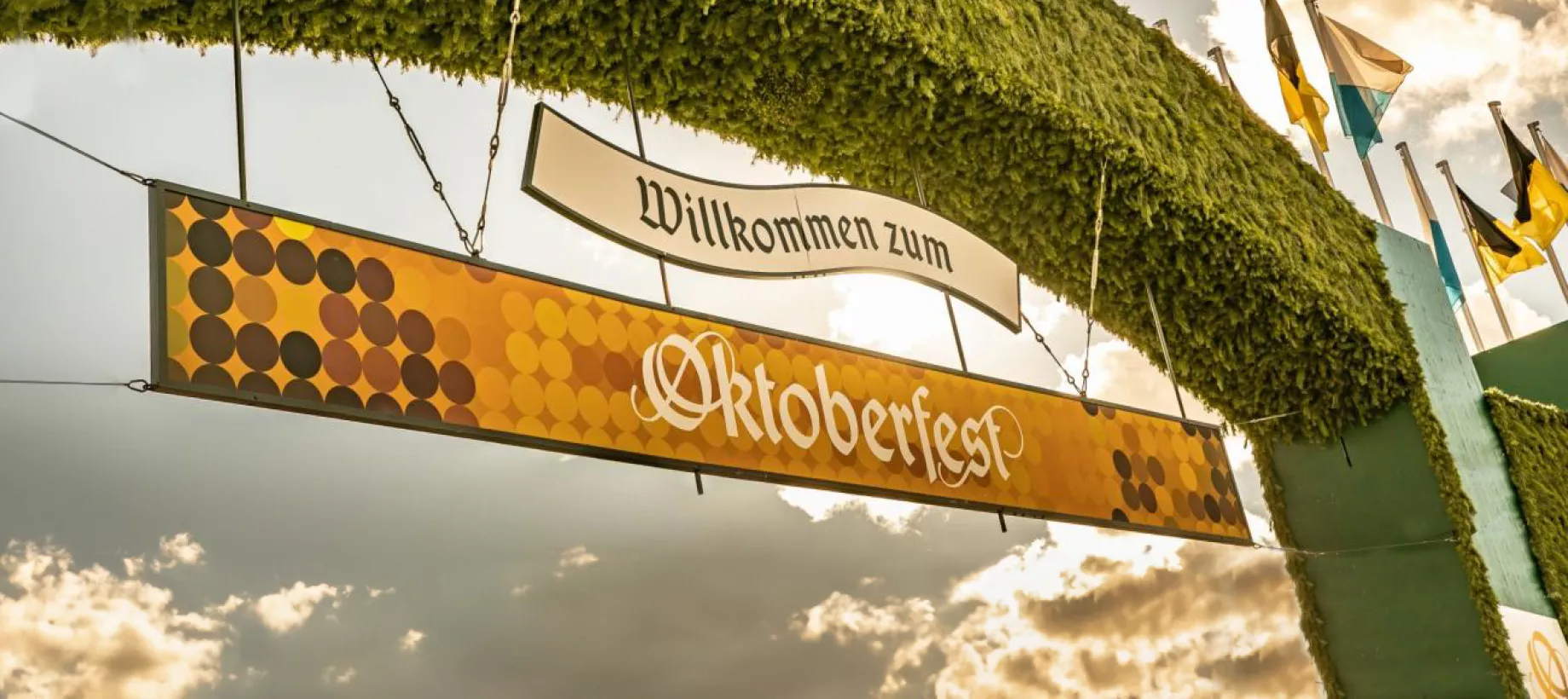
Each autumn, as the leaves turn golden in Munich, the city transforms into a stage for one of the world’s most recognizable celebrations: Oktoberfest. While cynics are quick to dismiss it as a carnival of excess or a commercialized drinking binge, the truth is far richer. To stand under the canopies of the beer tents, shoulder to shoulder with strangers who soon become friends, is to witness a living tradition that transcends borders. The resonance of Bavarian brass bands, the swirl of dirndls and lederhosen, the aroma of roasted chicken and pretzels — all come together to remind us that festivals at their best are not about indulgence alone, but about belonging. Oktoberfest, in its essence, is not merely Germany’s party for the world. It is a cultural handshake extended to millions, a testament to the human need for celebration, ritual, and shared joy.
At its core, Oktoberfest is a celebration of Bavarian heritage, a tradition that began over two centuries ago with the marriage of Crown Prince Ludwig and Princess Therese of Saxony-Hildburghausen. What was once a local festivity has blossomed into an event attracting more than six million people each year. Yet despite its global reach, the spirit of authenticity remains. The beer served at the Wiesn is brewed only by Munich’s six traditional breweries, upholding centuries-old craft. The music is not digital background noise but live, stirring performances of folk songs and oompah rhythms. Even the attire — dirndls and lederhosen — carry stories of rural Bavaria, stitched with pride and worn with reverence.
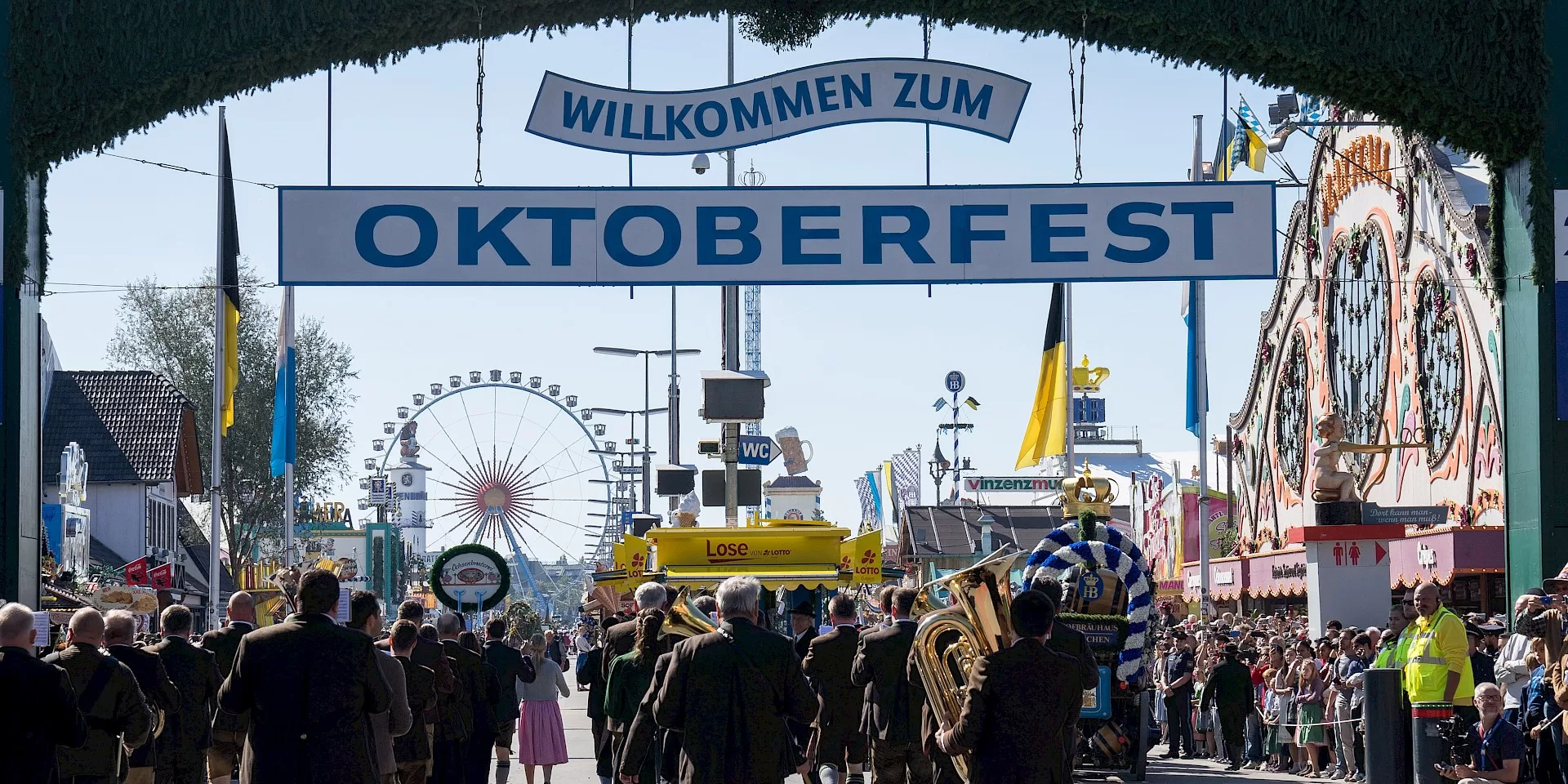
For many, Oktoberfest represents more than a trip to Munich; it is a pilgrimage into history, into the heart of a culture that has balanced tradition with modernity. It is an immersive classroom where visitors learn — not from books, but from lived experience — about Bavarian values of hospitality, craftsmanship, and joy.
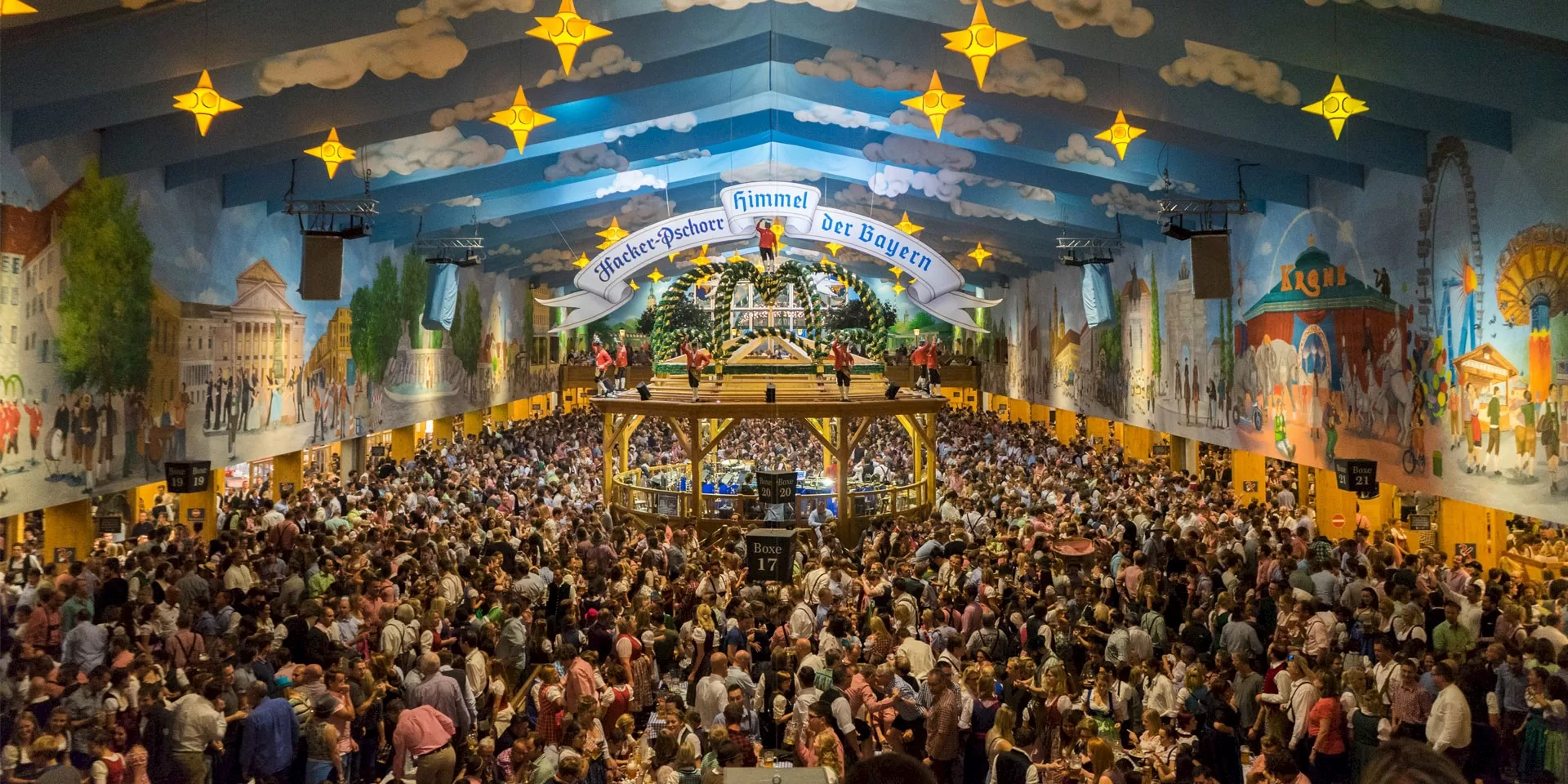
The festival’s social dimension is equally profound. In an age where loneliness and isolation haunt modern life, Oktoberfest offers a rare antidote: communion. Tables are long and communal, ensuring no one drinks alone. Tourists from Tokyo clink steins with locals from Munich; families share meals with strangers; laughter, music, and shared stories dissolve boundaries of language, nationality, and class. It is not just beer that flows in Munich; it is a spirit of unity.
Critics often point to the drunkenness and rowdiness that inevitably occur — and these critiques are not without merit. But focusing solely on excess obscures the broader truth: that for the vast majority of attendees, Oktoberfest is about joy, not debauchery. Families stroll through fairgrounds, children delight in rides, and elders gather for music and nostalgia. The beer tents themselves are not dens of chaos but orchestrated environments where tradition dictates pace, politeness, and song. Even the act of toasting — “Ein Prosit der Gemütlichkeit!” — is a ritual of togetherness, literally wishing one another warmth, cheer, and good company.
Economically, too, Oktoberfest is a force of vitality. The festival generates over a billion euros annually for Munich’s economy, sustaining local businesses from breweries to bakers, hotels to artisans. But unlike faceless commercial spectacles, this is an economy rooted in heritage. Each stein, each pretzel, each hand-stitched dirndl is a product of local labor, skill, and pride. Tourism scholars often warn of cultural dilution, yet Oktoberfest has resisted that fate, maintaining its core traditions while adapting gently to global audiences.
Perhaps most importantly, Oktoberfest speaks to a universal human truth: the need for ritualized joy. In a fractured, anxious world, collective celebrations remind us of our shared humanity. They allow us to step outside the grind of daily life, to sing loudly without shame, to embrace strangers without fear. Such moments may seem frivolous on the surface, but they are essential to our mental and social well-being. They restore a sense of balance — a reminder that life is not merely survival, but also celebration.
Conclusion
Oktoberfest, for all its critics and controversies, endures not because of its flaws but because of its gifts. It is a space where history is kept alive, where strangers become companions, where culture is not locked in museums but danced, sung, and tasted. Yes, it is imperfect — what human endeavor is not? But to see only the spilled beer and rowdy crowds is to miss the beating heart of the Wiesn: a celebration of life itself. In a world increasingly fractured, we would do well to recognize and preserve spaces where joy is made communal, where tradition finds renewal, and where, for a fleeting moment, humanity raises its glass together. Prost — to Oktoberfest, and to the enduring power of shared joy.
Leave a Reply