
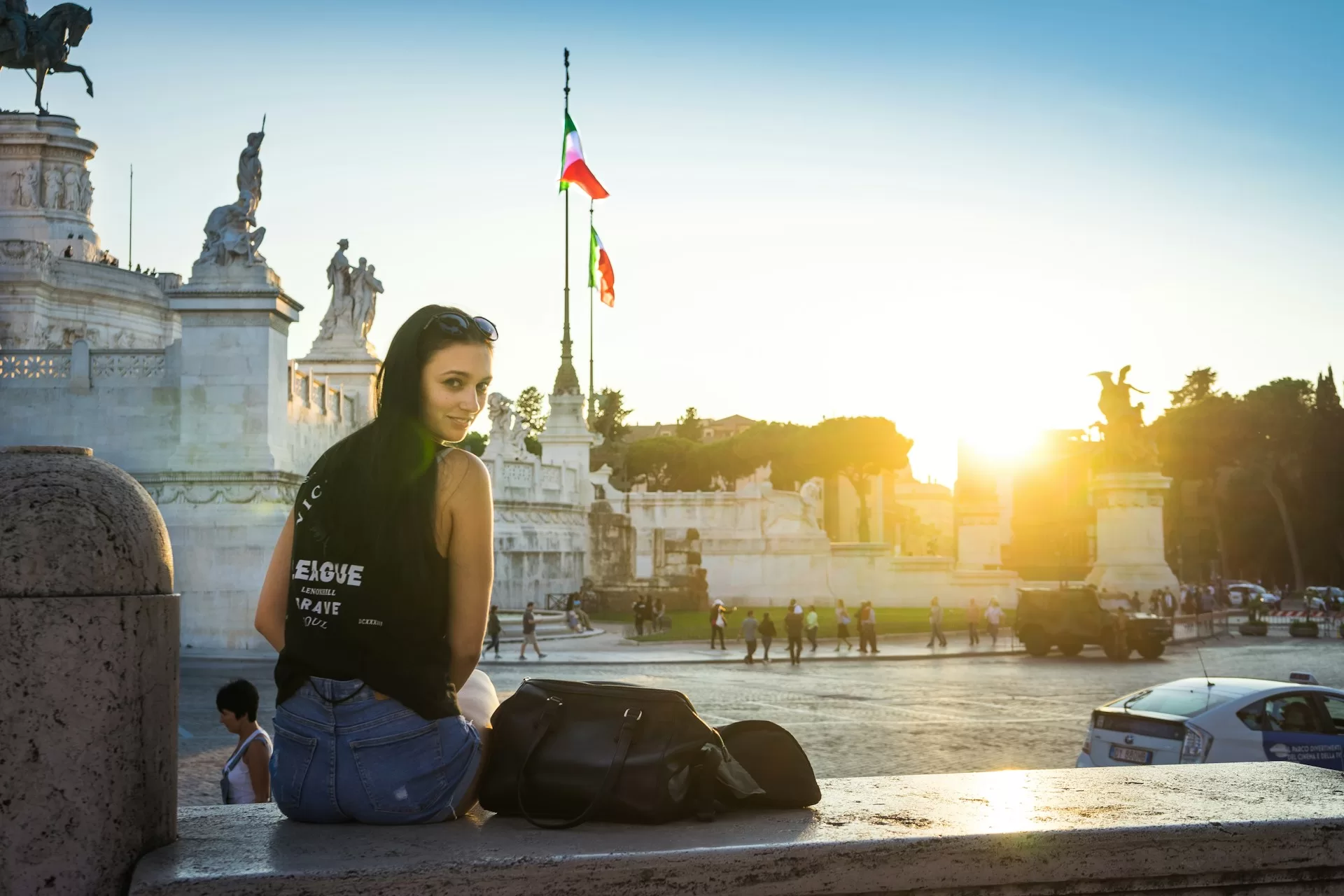
The unexpected joy of getting lost in Europe—especially on your first solo adventure—might just be the real magic of travel. Picture this: You set out with a vague plan, phone in pocket, ready to conquer landmarks, but instead, a wrong turn leads to a quiet piazza buzzing with locals sipping aperitivo, or a residential alley wafting irresistible scents from a family-run bakery. That’s exactly what happened during my recent 16-day romp through Rome and Bologna. The biggest lessons? Embracing getting lost unlocked authentic moments that no guidebook could deliver, turning potential frustration into pure delight.
Solo travel in Europe has exploded in popularity, with the global solo travel market valued at around USD 482 billion in 2024 and projected to grow at a 14.3% CAGR through 2030 (Grand View Research, 2025). In Europe specifically, it holds a 37% share of the market, fueled by walkable cities, reliable trains, and a culture that welcomes independent explorers. Young travelers, especially Millennials and Gen Z, are leading the charge—76% planning solo trips recently (American Express Global Travel Trends, 2024). Yet amid all the planning apps and itineraries, the true thrill often comes from ditching the GPS and letting serendipity take the wheel.
Have you ever considered that the best parts of a trip aren’t the ones you planned? Let’s dive into why getting lost intentionally during solo European travel can transform your experience, drawing from real adventures like wandering Rome’s backstreets and Bologna’s hidden corners. We’ll explore the upsides, practical tips to do it safely, and how to balance freedom with smart navigation.
Why Embracing the Unexpected Joy of Getting Lost Feels So Liberating
There’s something profoundly empowering about solo travel that amplifies when you allow yourself to veer off course. As one seasoned traveler notes, “Getting lost is when you learn the most about your destination, the culture, and yourself” (Vogue, 2023). In group trips, someone always pulls up directions or suggests the “right” path. Alone? You’re forced to trust your instincts, chat with locals, and savor the moment.
In my Rome stint, starting near the Colosseum but letting curiosity guide me led straight to Bar del Fico, a beloved local spot just off Piazza Navona. No massive crowds, just recycled furniture, friendly banter, and the perfect late-afternoon espresso while watching Romans play cards. It’s been a neighborhood favorite for over 30 years, blending café by day and lively bar by night (TripAdvisor reviews, 2025). That zero-tourist vibe? Priceless.
Bologna delivered similar magic. Aiming for a market, a “wrong” residential turn followed the aroma of fresh bread to an unassuming forno. An elderly baker handed over warm tigelle—those small, fluffy flatbreads—perfect for stuffing with prosciutto and squacquerone cheese. Picnic on a nearby bench, sun filtering through trees? Chef’s kiss. These aren’t Instagram-famous; they’re the soul of Italy.
Pros of intentionally getting lost:
- Authentic discoveries — Hidden gems like quiet piazzas or family bakeries that feel personal.
- Heightened senses — Colors brighter, sounds richer when you’re fully present (Solo Traveler World insights).
- Personal growth — Builds confidence, resilience, and self-reliance; many report feeling more empowered post-trip (Forbes, 2017).
- Spontaneous connections — Locals often engage more with a wandering solo traveler than a hurried group.
Cons to consider:
- Time loss (that extra 30-minute detour when hungry? Oof).
- Safety risks in unfamiliar areas, especially at night.
- Loneliness spikes when things go sideways—no immediate share buddy.
- Potential for frustration or minor panic if phone dies.
From my perspective, the pros far outweigh the cons when approached mindfully. It’s like the old idiom: sometimes the scenic route is the destination.
Step-by-Step Guide: How to Safely Embrace Getting Lost on Solo European Adventures
Ready to try it? Here’s a practical roadmap to turn “oops, lost” into “yes, found!”
- Start with a loose plan — Know your general area and accommodation address (write it down—phones fail). Book high-speed trains in advance (Trenitalia or Italo for Rome-Bologna runs) for stress-free intercity moves.
- Set boundaries for wandering — Pick a “safe zone” like central neighborhoods during daylight. In Rome, stick near Trastevere or Monti; in Bologna, the historic center around Piazza Maggiore.
- Tech as backup, not crutch — Glance at Google Maps for orientation, then pocket it. Download offline maps (crucial for spotty signal). Carry a portable charger—my empty battery once extended a delightful detour!
- Dress and act confidently — Walk purposefully, head up. Locals spot “lost” tourists easily, which can attract unwanted attention. Pretend you’ve been there forever (Rick Steves tip).
- Engage locals strategically — A smile and basic Italian (“Scusi, dove è…?” or “Grazie!”) opens doors. In my bakery fluke, the baker’s warmth made the moment.
- Fuel smartly — Keep snacks and water handy. Budget €100-120/day works: street food/picnics for lunch, nicer dinners occasionally.
- End-of-day ritual — Note highlights in a journal. Reflection turns mishaps into memories.
Historical note: Before smartphones, travelers relied on paper maps and asking directions—leading to richer interactions. Today, intentional “unplugging” recaptures that serendipity.
Hidden Gems from Rome and Bologna
- Rome’s Bar del Fico — Tucked on Via della Pace, it’s a cozy escape with outdoor tables, classic cocktails, and zero tourist hordes. Locals linger for aperitivo; visitors stumble in and stay for hours.
- Bologna’s Tigelle Treasure — Small forni dot residential streets. Tigelle (Modena-style flatbreads) stuffed fresh make epic picnics. Pair with local Lambrusco from a nearby enoteca for the win.
- Future trends: With solo travel booming (34% eager for journeys by end-2025, Hilton Trends Report), more hostels and apps cater to independent explorers, but the core joy—the unexpected joy of getting lost—remains timeless.
FAQ
- Is getting lost safe for solo travelers in Europe?
Generally yes in touristy areas during day—stay aware, trust instincts, and ask in shops if needed. - How do I prepare for navigation fails?
Save accommodation offline, carry charger, note address physically. - Best cities for intentional wandering?
Rome, Bologna, Florence, Lisbon—compact, charming, full of surprises. - What if loneliness hits?
Hostels offer social vibes; solo dining is normal in Italy—join aperitivo crowds! - Budget tips for food while exploring?
Street eats and markets keep costs low; aim for picnic lunches. - Should I avoid getting lost at night?
Absolutely—stick to lit, busy areas or return to base. - Any apps for safe wandering?
Google Maps offline, plus safety ones like bSafe or local emergency numbers. - How common is this “joy of getting lost” experience?
Very—many solo travelers report it as the highlight. - First-time solo tip?
Start small: one city, loose plan, embrace the unknown. - Worth the anxiety?
100%—the growth and memories outweigh the wobbles.
Leave a Reply